
Get it? Because their spinal cord and ribcage are fused into a shell, making it seem like they don't have a spine but in fact they do and– I think I made my point.
Tortles were released into the D&D world with two (arguably three if you want to start an AC debate) issues. Firstly, their lifespans are not reasonable for a chelonian race. Whilst real world chelonians do have lifespans within the 50 year range (e.g. C. mydas lives around 80 years, D. coriacea estimates range between 30-80 years), turtles are commonly depicted as long lived (predominantly due to the lifespan of species such as C. nigra and M. temminckii), and an opportunity for a race with longevity rivalling elves was poorly missed here.
The second issue is one that is not unique to the tortle but will inevitably be one that shapes their role in D&D games: they lack cultural variation and identity that makes them unique and interesting options for players. I can almost guarantee that the first time most people meet tortle NPCs, they will be on one island, all have one way of life, and be present so that DMs can tick off another race on their checklists and players have somewhere they can call home and never go to so that they can play their totally original idea for an adolescent tortle monk.
Let's try and remedy that.
We are told that tortles are working with the following:
- short maturation rates; they reach biological maturity around 15 years of age, but are left by parents in the first few years of life
- late reproductive cycle, mating towards the end of their lives
- a tendency to travel, adventure, and acquiring new skills and experiences
Life, Sex, Death
The first experience of death for tortles in native communities is that of their elders. It is a death of the body but not of the mind. Their parents have spent their last years passing on the skills and knowledge they obtained of the outside world. Every encounter and life choice has led to this moment, to the passing on of memories. Every tortle enters the outside world with a rich, biased perception of the world.
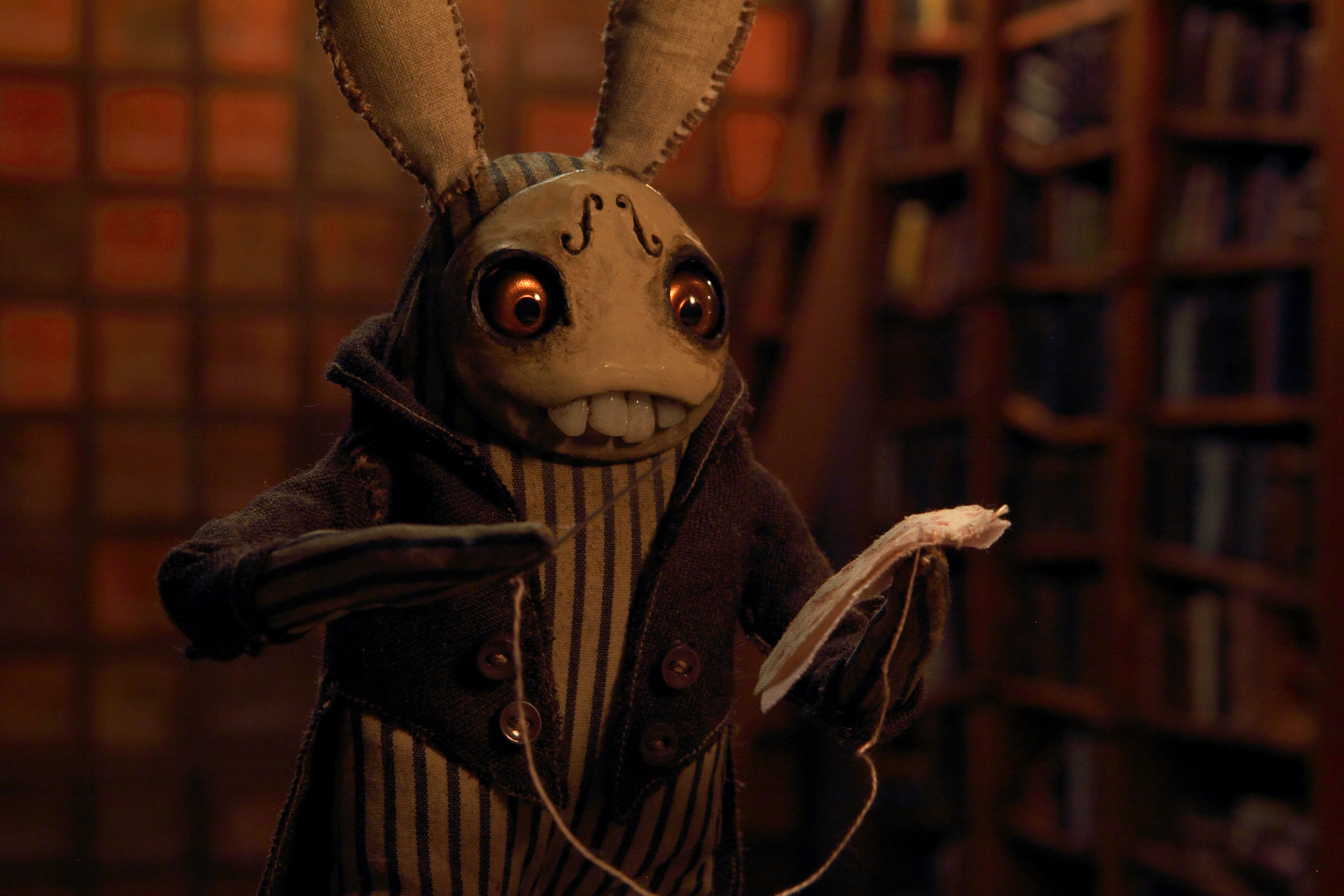 |
| Image from The Maker. Tortles as written are basically this in their last years of life, which I can honestly fully get behind. |
Sexual desire as a concept is one associated with the end of life, the end of adulthood and the passage into parenthood. This could lead to strong symbolism linking death and fertility, lust and loss. The wanton looks of youths to their peers are confusing; the selection of partners in middle age is just as perplexing. To the tortles, these are things to plan once life is put into greater perspective.
This is Man
Take the description of humans in your setting and replace them with tortles. They search for new skills and experiences, travel across the lands, interact with new races. These tortles are travellers, explorers, diplomats, adventurers. They are not tied to the land of their birth- this is where they go when they are content with what life has offered them, when they are ready to give the next generation the same sense of wonder. These tortles value skill over talent, and may happily trade goods in return for training in smithing, plant identification, and sailing. Towards the ends of their lives, they seek out partners that have different life experiences and skills to their own to be taught to their children.
 |
| Art by namesjames |
From over the crest of a stormy wave, the warship cluster descends upon the merchant vessel, marked by the baby kraken's corpse tied to the prow. Armoured pirates raid the ship armed with flintlock and cutlasses. Coins and blood are bled into the sea, offerings to their slumbering ancestor. The tortles do not provide for themselves: they take the tools and skills of others. Their captain is chosen for she is marked with the blood of the ancestor- steam rolls from her tongue and ridges run along her neck and arms. She orders the victim ship tethered to their own, for their island must grow. Their children will grow on a land of salt and wood, and learn of the ocean that is theirs, the forefather that slumbers, and the promise he grants when he finally awakens.
The Walled Citadel
The walled citadel has prospered from abandoning the old ways and rejecting the nomadic lifestyle. By staying in one community, children that have shared their last moments with their parents are then taken under apprenticeships by their extended family, providing them with a home and the greater potential to learn more. As part of the citadel's way of life, trade with other settlements involves the exchange of workers, allowing new skills and knowledge to enter the citadel and continue to accumulation of power. Those that enter are heavily supervised, ensuring they work to the best of their ability and share all skills they possess, even those they had not signed up to exchange. The citadel has become an archive and a stronghold, dedicated to the collection of information. Some believe this is in preparation for a future prophet, who will descend into the archive catacombs and return enlightened. Those outside its walls are less superstitious, believing it to be the foundations of a tortle military state.
The Sum of Our Parts
Some tortles do not believe in the death of spirit. It is carried through each and every tortle that learns the ways of life from their parents. The spirit is enriched when they learn a new trade or tongue, invigorated when it journeys to new lands, and stagnates when life is not grasped fully. A tortle in old age passes its spirit on to their offspring to carry with them, in the hopes that they will continue to give their spirit energy and the potential for growth. After each individual's passing, their shell is removed and engraved with the journey they made in life, which is then placed in an ancestral chamber at the place of their death. This way of life is one of ancestral worship and deep set respect, but also one of prejudice. Those that do not wish to have children, or those that cannot have children, are seen as dead ends for the spirits they carry in their shell. It is a heavy fate, and one that few take lightly.

No comments:
Post a Comment